


The Culture Behind Hair Oiling
Hair oiling is trending online right now. Scroll your feed long enough and you'll find someone warming up rosemary oil (plus whatever else they've thrown in the bowl) and calling it a growth hack. But for a lot of us, this isn't new. It's just being rebranded. I remember Sunday nights as a kid, sitting between my mom's legs while she combed my hair with one hand and greased my scalp with the other, telling me to sit still. (Yes, I know grease and oil aren't the same thing.) But what I'm talking about is the tradition of oiling our hair and scalp.
And it is a tradition, one that's a lot older than the internet. Look at almost any culture and you'll find some version of it. The oil was never really the point. It was the time, the hands and the care getting passed down from one generation to the next.
It's not just a trend
Hair oiling goes back thousands of years in South Asia, where it comes out of Ayurveda, India's traditional system of medicine. A lot of families call it champi: a mom or grandma massaging warm oil (usually coconut, sesame or amla) into the scalp before wash day (Who What Wear).
It's so old it gave us the word "shampoo." It comes from the Hindi chāmpi, and it originally meant a head massage, not soap. In the early 1800s, Sake Dean Mahomed brought the practice to Brighton, England, and was eventually named "Shampooing Surgeon" to two British kings (Wikipedia).
The same instinct shows up everywhere
And South Asia isn't the only place where taking care of hair meant oils, butters and a whole lot of patience.
- Chad. Basara Arab women mix chébé powder with oils and butters like shea, work it into sectioned hair and braid it up. It's not about growing hair faster. It's about protecting the ends so the length stays (The Zoe Report).
- Jamaica. Jamaican black castor oil, made from roasted castor beans, is a staple in a lot of Caribbean homes and across the diaspora. (We've talked about when that oil helps and when it doesn't.)
- Black America. Plenty of us grew up with a jar of hair grease and a parent parting our scalp section by section. Back in the early 1900s, Madam C.J. Walker built a whole business on scalp care, starting with her "Wonderful Hair Grower," and sold it through a network of Black women agents who made their own living doing it (NMAAHC).
Different ingredients and different places, but the same idea. You take care of hair with your own hands, and you keep coming back to it.
It was about care, not just hair
Oh, what I would give for someone to spend a good 20 minutes oiling my hair now. It's one of those things we take for granted, right? Being told to sit still. Being the only thing someone was paying attention to for a half hour or so. Families who practice champi describe it the same way: a chance to slow down together and a bridge between generations (Who What Wear).
That's something a trend video can't sell you. So buy the oil if you want, but you don't have to buy the story that comes with it.
How we'd carry it forward
- Make it a ritual, not a quick fix. Pick one night a week and put the phone down. Your kid's hair will benefit, but so will the time together.
- Water first, then oil. Oil doesn't moisturize; it seals in the moisture that's already there. So start with damp hair or a leave-in (our three-step guide walks you through it).
- Go easy on essential oils. Peppermint, tea tree and rosemary are strong. For kids, Healthline recommends a 0.5 to 1 percent dilution, which works out to about 3 to 6 drops for every 6 teaspoons of carrier oil (Healthline).
- Pick for your kid's hair, not your feed. A heavy oil that works great on one head can just sit on top of another. If your kid's hair seems to push product away, start with what porosity tells you and the oils that work for low porosity hair.
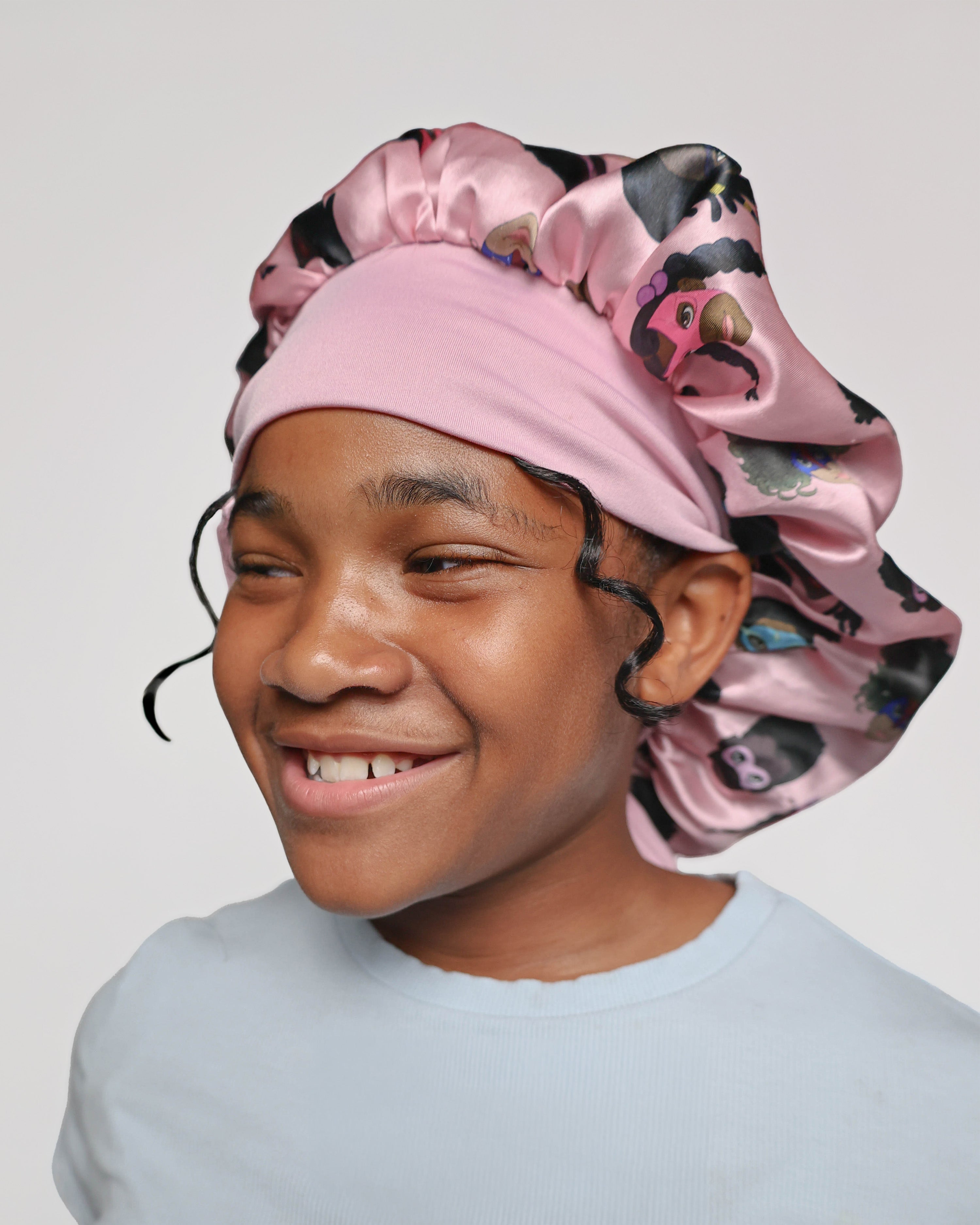
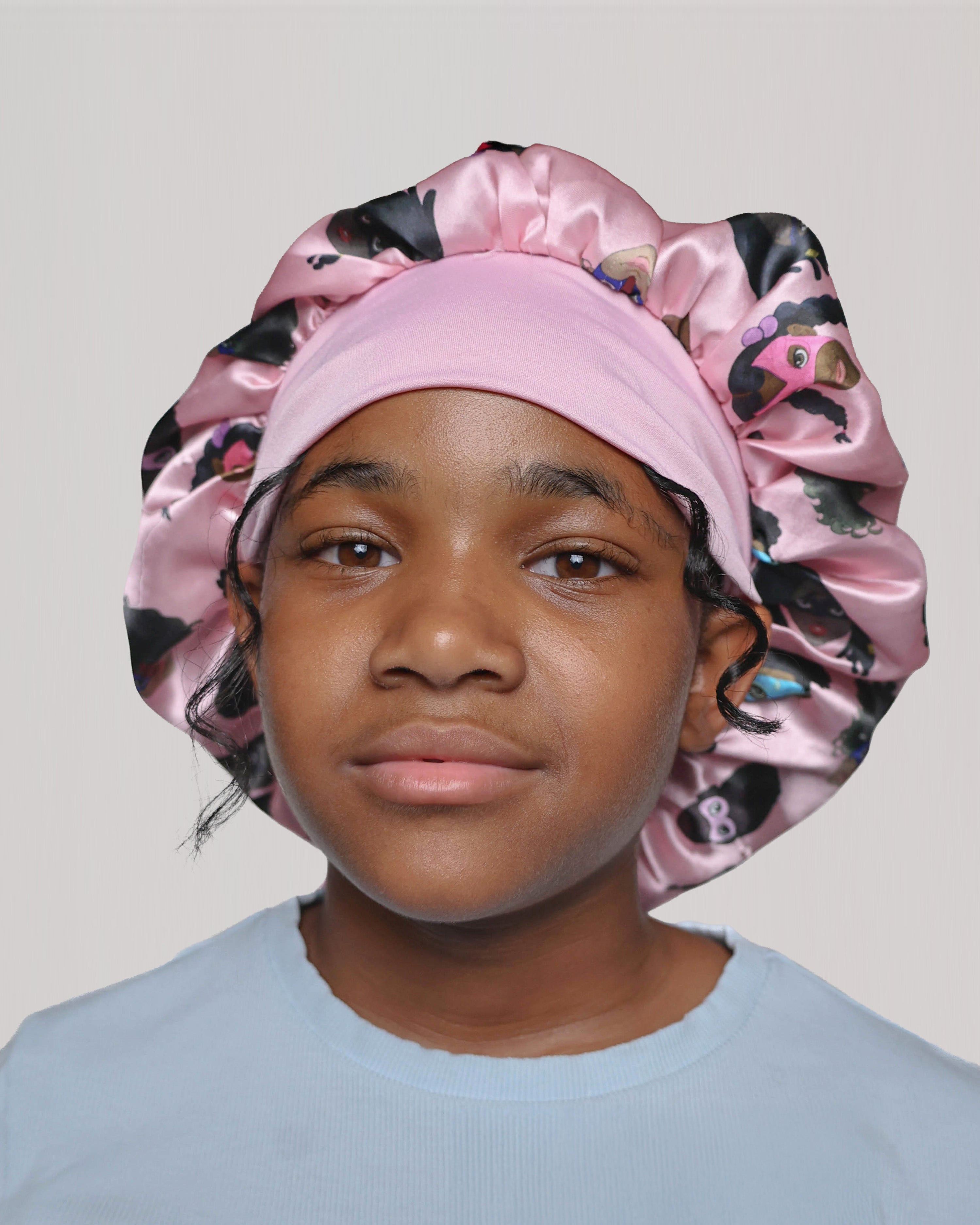
- Protect it overnight. A satin bonnet or scarf keeps all that moisture you just sealed in from ending up on the pillowcase. (Here's what a bonnet is really doing.)
The takeaway
So tonight, try giving it ten minutes. Grab a little oil, sit your kid down and work it into their scalp. Tell them who used to do this for you. That's the part that's been passed down to us, and it's the part worth passing on.
Further reading: South Asian Hair Oiling Is So Much More Than a TikTok Trend (Who What Wear) · Madam C.J. Walker's "Wonderful Hair Grower" (NMAAHC) · The Oils That Actually Work for Low Porosity Hair


Be the first to comment.