


Wash Day, Made Shorter: How Co-Washing Can Simplify Your Kid's Routine
As a girl with thick, tightly coiled hair, I could never remember a wash day that wasn't an all-day affair, from early morning to late afternoon. Mind you, this was some time before tablets and smartphones, so whenever my sister and I were dropped off at the beauty shop, we came prepped with coloring books, snacks and whatever else could keep us entertained. Now social media has turned what used to be an almost private experience into something everyone can watch, and the tradition of the all-day wash day lives on.
For a lot of families with textured hair, wash day is still the longest part of the week. Co-washing won't fix all of that, but used the right way, it can take a real step out of the routine.
What co-washing actually is
Co-washing is short for "conditioner washing." Instead of shampooing and then conditioning, you use a co-wash: a cleansing conditioner made to lift dirt and light buildup without the standard ingredients shampoos use (Byrdie). You wash and condition all in one.
Co-washing became a hot topic in the textured hair community in the early 2000s, along with the rise of the "no-poo" movement and Lorraine Massey's 2001 book, Curly Girl: The Handbook (Curly Girl Method), because it promised shorter wash days. Like most trending topics in the textured hair community, this one took off, because what curly or coily-haired person wouldn't want shorter wash days and clean hair without that stripped feeling? I don't know any.

A regular conditioner isn't a co-wash
This is where the trend gets confusing. Unlike a regular conditioner, a co-wash is made to cleanse. Regular conditioner is made to put moisture back into hair after shampoo, so washing with conditioner alone can leave buildup on the scalp over time (Byrdie). If you truly want to try co-washing, look for a bottle labeled "co-wash" or "cleansing conditioner."
Where it saves you time
In between wash days, a co-wash allows you to skip the full shampooing and conditioning. That means one less rinse, one less round of detangling, and one less drawn-out wash day for you and your kid.
Where it falls short
Co-washes are gentle, which is also their limitation. They don't clean as deeply as shampoo, and depending on them alone can lead to scalp buildup and dryness (Prose). If your child's routine includes a lot of product, like gels, butters or edge control, you're going to need to shampoo to cleanse the scalp completely. But as wash-n-gos continue to trend and heatless styles make their rounds in the trend cycle, co-washing might just be a good addition to your kid's haircare regimen.
How we'd use it
Co-washing is a shortcut but not a replacement.
- Alternate. Shampoo wash day when your kid's scalp needs it, co-wash in-between.
- Clarify when necessary. Every few weeks you can use a clarifying shampoo to cleanse what the co-wash doesn't.
- Listen to your kid's scalp. It's itching? There are flakes? It just looks flat and coated? Shampoo time!
As with most things, this isn't a one-size fits all, every child's hair is different and you'll have to do some tinkering to see how often you do each.
The takeaway
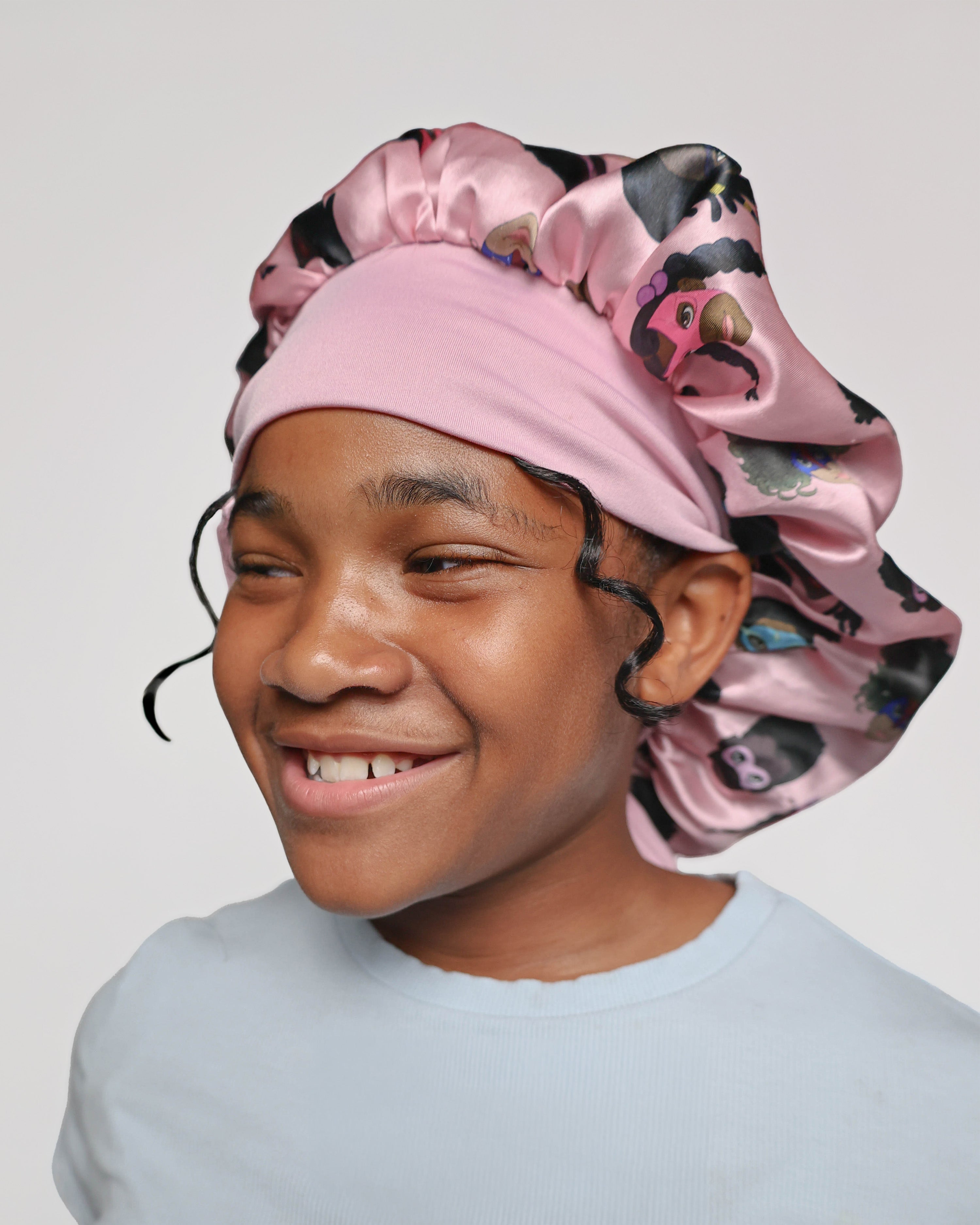
Co-washing won't be the end of shampoo washing, but you will get some of your weekend back that you've been trading for wash day. Use co-washing in-between wash-days, watch your kid's scalp, and be sure to lock in the moisture we try so hard to achieve with a satin bonnet or durag at night.
Further reading: Byrdie on co-washing natural hair · Prose on co-washing and scalp health





Be the first to comment.